

Eustachian tube dysfunction can cause pressure, fullness, popping, and muffled hearing, making everyday activities uncomfortable. Because this condition is often triggered by allergies, infections, or sinus congestion, many people look for safe and practical ways to manage it at home. Understanding eustachian tube dysfunction remedies can help you find relief, prevent recurring symptoms, and know when it’s time to seek professional medical guidance. This blog explains the causes behind the condition, the most effective remedies, long-term prevention tips, and signs that you may need extra help.
Table of Contents
- What Is Eustachian Tube Dysfunction?
- Common Symptoms
- What Causes Eustachian Tube Dysfunction?
- Effective Eustachian Tube Dysfunction Remedies
- When to See a Doctor
- Prevention Tips
- Final Thoughts
1. What Is Eustachian Tube Dysfunction?
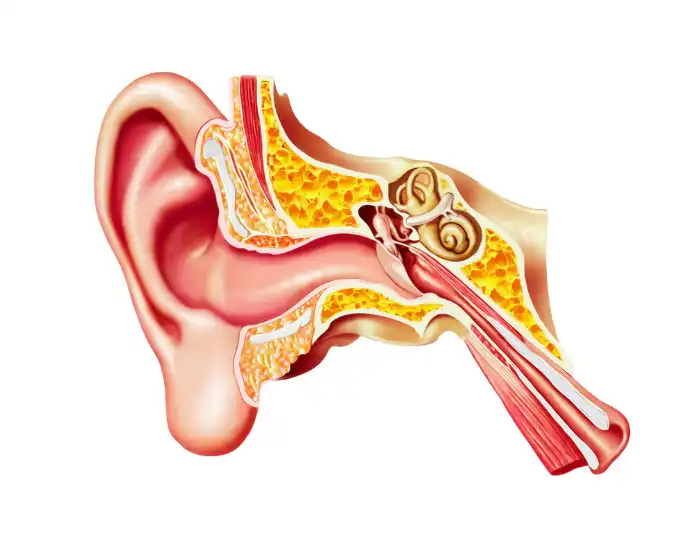
Eustachian tubes are small, narrow passageways connecting the middle ear to the back of the nose and upper throat. Their job is to regulate air pressure, drain fluid, and keep the ears functioning normally. When these tubes become blocked or unable to open properly, air cannot move freely, leading to discomfort or reduced hearing. This condition is known as eustachian tube dysfunction. Many cases are temporary, especially when caused by allergies, colds, or sinus infections. However, long-lasting or recurring dysfunction may be linked to ongoing inflammation, chronic sinus issues, or anatomical factors. Recognizing what’s happening inside the ear makes it easier to choose appropriate remedies.
2. Common Symptoms
Symptoms of eustachian tube dysfunction often affect both hearing and comfort. People may notice muffled sounds, a feeling of fullness inside the ear, or pressure that worsens during altitude changes such as flying or driving through hills. Some experience popping, crackling, or clicking sensations, while others report mild dizziness or balance problems. Discomfort can range from mild irritation to significant pressure depending on what’s causing the blockage. These symptoms often come and go, but when they persist, they can interfere with concentration, sleep, or daily activities. Understanding the specific sensations you’re experiencing can help determine which remedies may be most effective.
3. What Causes Eustachian Tube Dysfunction?
Several factors can contribute to eustachian tube dysfunction, and identifying the cause is key to choosing the right remedy. One of the most common triggers is inflammation from allergies. Pollen, dust mites, mold, and pet dander can irritate the lining of the nose and throat, causing swelling that blocks the tubes. Viral infections like colds and flu also create congestion that prevents the tubes from opening properly.
Sinus infections, enlarged adenoids, or structural issues inside the nose can obstruct airflow, leading to chronic problems. Rapid pressure changes—such as those during airplane takeoff—can temporarily overwhelm the tubes and create symptoms. Environmental irritants, including cigarette smoke and pollution, may also contribute. Understanding these triggers helps you focus on remedies that target the underlying cause, not just the symptoms.
4. Effective Eustachian Tube Dysfunction Remedies
When looking for eustachian tube dysfunction remedies, it helps to choose techniques that reduce inflammation, improve airflow, and support normal ear pressure. Here are some commonly recommended options:
- Warm Compress Application
Applying a warm compress to the side of the face can help loosen mucus, reduce discomfort, and encourage the tubes to open. The gentle heat promotes circulation and offers soothing relief. - Swallowing and Yawning Techniques
Simple actions like swallowing, yawning, or chewing gum stimulate the muscles that open the eustachian tubes. These movements can equalize pressure, especially during altitude changes or congestion. - Nasal Saline Rinses
Rinsing the nose with a saline solution can help flush out allergens, reduce inflammation, and improve airflow. When the nasal passages are clear, the eustachian tubes have a better chance of functioning normally. - Steam Inhalation
Breathing in warm steam from a shower or bowl of hot water helps loosen mucus and reduce congestion. Moist air can soothe irritated nasal tissue and relieve pressure in the ears. - Managing Allergies
If allergies are the cause, treating them can significantly reduce symptoms. Avoiding triggers, using air purifiers, and keeping indoor spaces clean may help reduce inflammation that affects the tubes. - Staying Hydrated
Drinking plenty of water keeps mucus thin, which helps the eustachian tubes drain more effectively. Proper hydration supports overall sinus and ear health. - Gentle Pressure-Equalizing Exercises
Techniques like the “Toynbee maneuver” (swallowing with the nose pinched shut) or the “Valsalva maneuver” (gently blowing while pinching the nose) can sometimes help equalize ear pressure. These should be done carefully to avoid added discomfort.
While many of these remedies offer relief, results vary based on the cause and severity of the dysfunction. If symptoms persist, medical guidance is important.
5. When to See a Doctor
Most mild cases improve with home remedies, but professional care may be needed when symptoms last longer than one to two weeks, cause significant pain, or repeatedly come back. You should also seek evaluation if you experience hearing loss that doesn’t improve, persistent dizziness, severe pressure, or fluid draining from the ear. These could indicate an underlying infection, inflammation, or another issue that requires medical treatment. A healthcare provider can determine whether medications, ear drops, tests, or further investigation is necessary.
6. Prevention Tips
Preventing eustachian tube dysfunction involves reducing congestion, avoiding irritants, and supporting overall ear health. Maintaining clean indoor air by reducing dust, mold, and pet dander can help limit inflammation. Managing seasonal allergies early, especially during high-pollen periods, reduces the chance of nasal and ear blockage. Staying hydrated and using humidifiers during dry seasons helps keep mucus thin and airways moist. Avoiding smoking and secondhand smoke is also crucial because smoke irritates the nose and throat, making dysfunction more likely.
During high-altitude activities like flying, swallowing, chewing gum, or using saline spray before takeoff can minimize pressure changes. Regular sinus care, healthy habits, and early treatment of colds can all play a role in keeping the eustachian tubes functioning well.
7. Final Thoughts
Eustachian tube dysfunction can be uncomfortable but understanding your symptoms and knowing which eustachian tube dysfunction remedies work best can make a significant difference. Many people find relief through simple at-home methods, while others may require medical evaluation to address chronic or severe issues. By staying aware of triggers, managing congestion early, and practicing good sinus and ear care, you can reduce the frequency and intensity of symptoms.
If your symptoms persist or you need guidance on managing ear pressure and congestion, consider reaching out to a trusted healthcare provider. Premier Internal Medicine Associates of Houston (PIMAH) can help evaluate your concerns and guide you toward effective care options.
Disclaimer: This blog is for informational purposes only and should not be considered medical advice. Always consult a qualified healthcare professional for diagnosis or treatment of any health condition.