

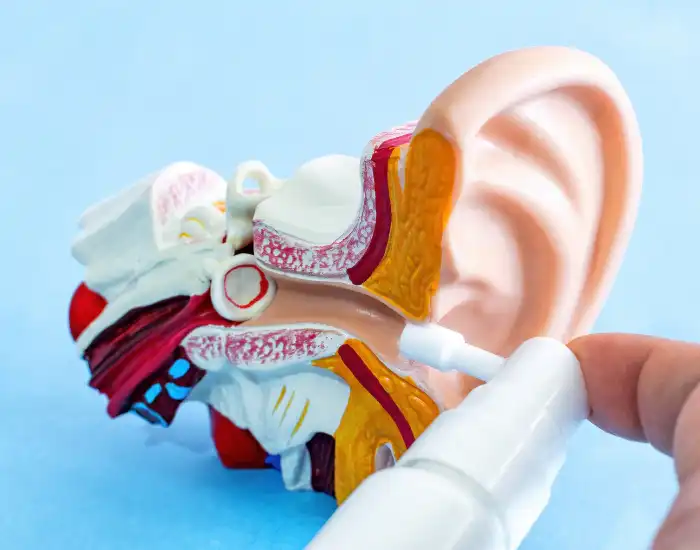
Feeling itchy inside ears is a common but often frustrating sensation. While many people assume it’s caused by earwax, the itching can actually come from allergies, skin conditions, infections, or even environmental irritants. Understanding why it happens and what you can do about it is important for long-term comfort and ear health. This blog explores the possible causes of inner ear itching, remedies that may help, and prevention tips you can use every day.
Table of Contents
- What Does It Mean When Your Ears Feel Itchy Inside?
- Common Causes of Itchy Inside Ears
- When Is Ear Itching a Sign of a Bigger Problem?
- Safe Remedies for Itchy Inside Ears
- Important Things to Avoid
- Prevention Tips for Healthy Ears
- Final Thoughts
1. What Does It Mean When Your Ears Feel Itchy Inside?
The ear canal contains sensitive skin and tiny glands that produce earwax, both of which help protect the ear from infections and irritation. When this delicate area becomes inflamed or dry, you may feel itching deep inside the ear. While occasional itchiness is normal, frequent or persistent itching may point to an underlying issue that needs attention.
Understanding the source of the sensation is the first step in choosing the right remedy. Sometimes the cause is simple—like dryness—while other times it can be linked to allergies or an infection.
2. Common Causes of Itchy Inside Ears
Many different factors can trigger itchiness inside the ear canal. Here are some of the most common:
- Dry Skin: When the skin inside the ear becomes dry, it can flake or crack, leading to itching. This can happen due to dehydration, cold weather, or overcleaning the ears, which removes natural oils.
- Earwax Issues: Both too much and too little earwax can cause discomfort. A buildup of wax may trap moisture and irritate the canal, while removing too much wax can leave the canal unprotected and dry.
- Allergies: Allergic reactions to pollen, dust, mold, or pet dander can cause inflammation that leads to itchy inside ears. For some people, food or skin allergies may also play a role.
- Skin Conditions: Conditions like eczema and psoriasis do not only affect the skin on the body—they can also occur inside the ear canal. These conditions often cause dryness, redness, and persistent itching.
- Ear Infections: Fungal and bacterial infections can irritate the ear canal and produce itching as an early symptom. Swimmer’s ear, for example, often begins with itching before progressing to pain or swelling.
- Hearing Aids or Earphones: Wearing hearing aids or earbuds for long periods can trap moisture, cause friction, or lead to allergic reactions to certain materials. All of these can lead to irritation and itching.
- Environmental Irritants: Hair products, soaps, perfumes, and even swimming pool chemicals can get into the ears and cause irritation.
Understanding the underlying cause helps determine whether home remedies will work or if medical evaluation is necessary.
3. When Is Ear Itching a Sign of a Bigger Problem?
Occasional itching is usually harmless, but persistent itching may signal a more serious issue. If the sensation is accompanied by pain, redness, discharge, hearing changes, or swelling, it could indicate an infection or significant irritation. People with chronic skin conditions, diabetes, or weakened immune systems should be especially cautious, as they may be more prone to complications.
If the itching affects your daily life, lasts more than a week, or keeps returning, professional evaluation is recommended to rule out infections, eczema, or other conditions requiring targeted treatment.
4. Safe Remedies for Itchy Inside Ears
While it may be tempting to scratch the inside of your ears with your finger or a cotton swab, doing so can make the problem worse. Instead, consider safer remedies that soothe the skin and reduce irritation.
- Warm Compress: Applying a warm compress on the outside of the ear can help relieve itching caused by dryness or mild inflammation. It can also improve blood circulation and relax the ear canal.
- Moisturizing Drops (Doctor-Recommended Only): Some healthcare providers suggest using specific ear-safe moisturizing drops when dryness is the cause. These drops help hydrate the ear canal and reduce flaky skin.
- Nasal Sprays for Allergy Relief: If allergies are causing itchy inside ears, treating nasal congestion and inflammation can help. Saline nasal sprays or allergy treatments may reduce inner ear itching caused by postnasal drip or allergic reactions.
- Avoiding Irritants: If you suspect that hair sprays, shampoos, or soaps are getting into your ears, switching to milder products may help prevent further irritation.
- Keeping the Ears Dry: Moisture can worsen itching, especially if fungal growth is involved. After showers or swimming, gently drying the outer ear with a soft towel can help reduce symptoms.
- Treating Underlying Skin Conditions: If eczema or psoriasis is the cause, following a dermatologist’s treatment plan can relieve itching and prevent flare-ups inside the ears.
These remedies can be helpful, but it’s important to avoid anything that could further irritate or damage the ear canal.
5. Important Things to Avoid
When you experience itchy inside ears, it’s just as important to know what not to do. Avoid inserting cotton swabs, fingers, hairpins, or any objects into the ear canal, as these can push wax deeper, damage the skin, or trigger an infection. Avoid using scented oils, household liquids, or over-the-counter drops not meant for ears—these can worsen irritation. Also avoid scratching the ear canal, even lightly, as it often leads to more inflammation and itching.
6. Prevention Tips for Healthy Ears
Taking simple steps can help prevent itching and keep the ears clean, safe, and well-balanced. Staying hydrated supports the skin’s natural moisture, and using a humidifier in dry seasons can prevent the ear canal from becoming overly dry. Keeping hearing aids and earbuds clean and dry reduces the risk of irritation or infection. Managing allergies early, especially during high-pollen seasons, helps reduce inflammation that affects the ears. Finally, limiting exposure to irritants like smoke, harsh chemicals, and strong fragrances can help maintain ear comfort.
7. Final Thoughts
Dealing with itchy inside ears can be annoying, but understanding the causes and choosing safe remedies can make a big difference. Whether the itching is from dryness, allergies, irritation, or an underlying skin condition, early care and gentle habits can help you find relief. If symptoms persist, become painful, or start affecting hearing, it’s important to consult a healthcare professional who can determine the cause and provide appropriate treatment.
If ongoing ear itching is affecting your comfort or daily routine, a medical evaluation can help you understand the cause and find relief. Premier Internal Medicine Associates of Houston (PIMAH) is available to support your ear and sinus health with professional guidance and care.
Disclaimer: This blog is for informational purposes only and should not be used as a substitute for medical advice, diagnosis, or treatment. Always speak with a qualified healthcare provider about any health concerns.