

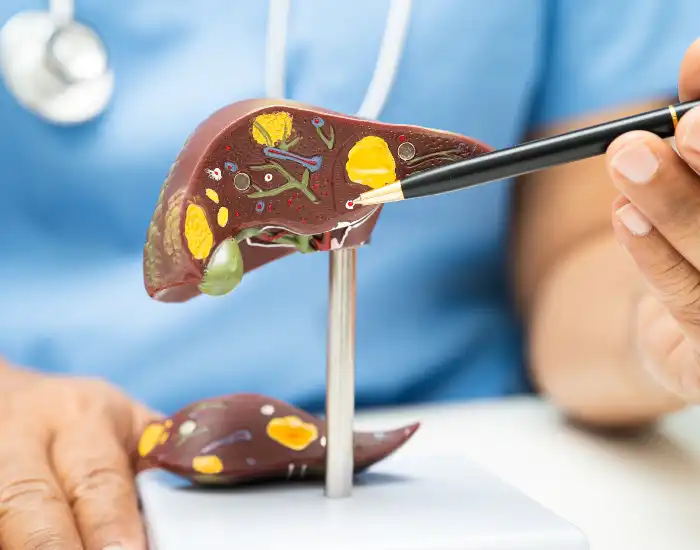
Liver disease can develop gradually, often showing subtle signs before more serious complications arise. Recognizing liver disease manifestations early is crucial for timely diagnosis, effective management, and preventing long-term damage. The liver plays a vital role in digestion, metabolism, and detoxification, so any impairment can affect multiple body systems. This guide explores common manifestations of liver disease, causes, treatment strategies, preventive measures, and when to consult a healthcare professional.
Table of Contents
- The Role of the Liver
- Common Liver Disease Manifestations
- Causes of Liver Disease
- Diagnosis and Medical Evaluation
- Treatment and Management Options
- Preventive Measures for Liver Health
- Final Thoughts
1. The Role of the Liver
The liver is one of the body’s largest and most essential organs. It processes nutrients, filters toxins from the blood, produces bile for digestion, stores energy, and helps regulate metabolism. Because of its central role, liver damage can produce a wide range of symptoms throughout the body. Understanding how the liver functions helps in recognizing early liver disease manifestations and seeking prompt medical attention.
2. Common Liver Disease Manifestations
Liver disease can present in many ways, often affecting the skin, digestive system, and overall energy levels. Some of the most common manifestations include:
- Jaundice: Yellowing of the skin and eyes due to bilirubin buildup.
- Fatigue and Weakness: Reduced liver function can lead to persistent tiredness.
- Abdominal Pain and Swelling: Discomfort or bloating, especially in the upper right abdomen, may occur.
- Swelling in Legs and Ankles: Fluid retention can cause edema in the lower extremities.
- Nausea and Loss of Appetite: Digestive disturbances are frequent.
- Dark Urine and Pale Stools: Changes in urine and stool color may indicate liver impairment.
- Itchy Skin: Accumulation of bile salts under the skin can cause persistent itching.
- Easy Bruising or Bleeding: Impaired clotting factor production increases the risk of bruising.
- Confusion or Cognitive Changes: Advanced liver disease can affect brain function, leading to memory issues or confusion.
These manifestations can vary depending on the type and severity of liver disease. Early recognition is key to effective management.
3. Causes of Liver Disease
Several factors can contribute to liver disease, including viral infections like hepatitis B and C, excessive alcohol consumption, fatty liver disease, autoimmune disorders, and inherited conditions such as hemochromatosis or Wilson’s disease. Medications, toxins, and chronic metabolic conditions like diabetes can also increase the risk of liver impairment. Identifying the underlying cause helps guide treatment and reduce further damage.
4. Diagnosis and Medical Evaluation
Diagnosing liver disease often involves a combination of physical examination, blood tests, imaging studies, and sometimes liver biopsy. Blood tests can reveal liver enzyme levels, bilirubin, and clotting function, while imaging such as ultrasound or CT scans assesses liver structure and size. Early medical evaluation is crucial when noticing any of the liver disease manifestations, as timely intervention can slow progression and improve outcomes.
5. Treatment and Management Options
Treatment for liver disease depends on the underlying cause and severity. Options may include:
- Lifestyle Changes: Reducing alcohol intake, maintaining a healthy weight, and eating a balanced diet.
- Medications: Antiviral drugs for hepatitis, medications to manage autoimmune liver conditions, or treatments for fatty liver disease.
- Monitoring and Regular Checkups: Ongoing evaluation helps track liver function and prevent complications.
- Surgical Interventions: In severe cases, procedures such as liver transplantation may be necessary.
Early intervention and adherence to treatment plans can significantly improve quality of life and prevent complications.
6. Preventive Measures for Liver Health
Preventing liver disease involves reducing risk factors and maintaining overall health. Key strategies include getting vaccinations to protect against hepatitis A and B, maintaining a healthy diet and regular exercise to manage weight and avoid high-fat or high-sugar foods, and limiting alcohol consumption to reduce the risk of alcohol-related liver damage. It is also important to avoid exposure to toxins, including certain medications, supplements, and environmental chemicals. Regular screening and liver function tests are recommended for individuals with risk factors to detect early signs of liver impairment. By adopting these preventive measures, people can significantly lower their chances of developing liver problems and ensure early intervention when needed.
7. Final Thoughts
Understanding liver disease manifestations is essential for early detection and effective management. The liver affects multiple systems in the body, so noticing subtle changes in energy, skin, digestion, or cognitive function can help prevent serious complications. Combining lifestyle measures, medical evaluation, and appropriate treatment improves outcomes and supports long-term liver health.
If you notice persistent signs of liver issues or have risk factors for liver disease, professional evaluation is important. Premier Internal Medicine Associates of Houston (PIMAH) offers expert care to help assess liver function, manage symptoms, and guide patients toward better overall health.
Disclaimer: This blog is intended for informational purposes only and is not a substitute for professional medical advice, diagnosis, or treatment. Always consult a qualified healthcare provider regarding any health concerns.