

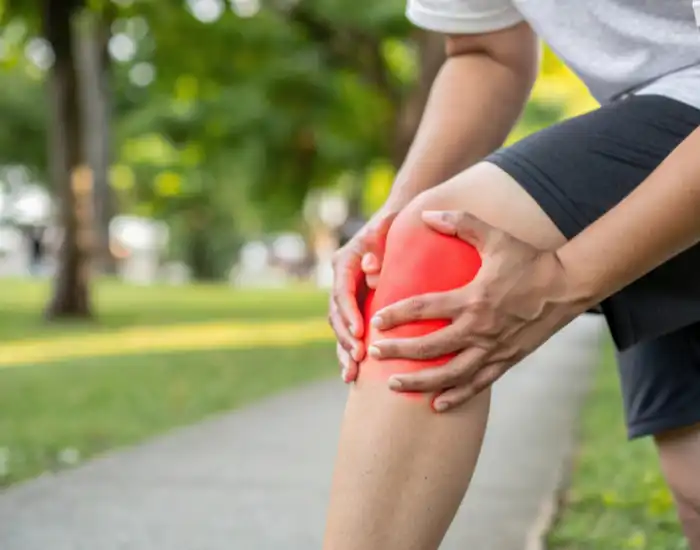
Knee pain can impact daily life, making simple activities like walking, climbing stairs, or exercising difficult. Understanding the right knee treatment for pain is essential for reducing discomfort, improving mobility, and preventing further injury. Pain can result from injury, arthritis, overuse, or structural issues, and the approach to relief depends on the underlying cause. This blog explores the common causes of knee pain, effective treatment options, preventive measures, and guidance on when to consult a healthcare professional.
Table of Contents
- Common Causes of Knee Pain
- Recognizing Symptoms
- Non-Surgical Knee Treatment for Pain
- Lifestyle and Home Remedies
- When to See a Doctor
- Prevention Tips for Healthy Knees
- Final Thoughts
1. Common Causes of Knee Pain
Knee pain can arise from a variety of conditions, ranging from acute injuries to chronic disorders. Some of the most common causes include ligament injuries such as ACL or MCL tears, meniscus tears, and patellar tendonitis. Osteoarthritis, which results from wear and tear of the knee joint, is also a frequent cause, especially in older adults. Bursitis, inflammation of the fluid-filled sacs around the knee, and overuse injuries from sports or repetitive movements can contribute as well. Understanding the root cause of knee pain is essential for determining the most effective knee treatment for pain.
2. Recognizing Symptoms
Knee pain symptoms vary depending on the cause and severity. Common indicators include aching or sharp pain, swelling, stiffness, and decreased range of motion. Some people experience a popping or grinding sensation during movement, while others notice instability or a feeling that the knee may “give out.” Pain may be constant or appear only during activity. Recognizing these symptoms helps in choosing appropriate treatment and avoiding further injury.
3. Non-Surgical Knee Treatment for Pain
Many cases of knee pain can be managed without surgery through targeted treatment and therapy. Non-surgical approaches include:
- Physical Therapy: Exercises that strengthen the muscles around the knee can improve stability, support joint function, and reduce pain.
- Medications: Over-the-counter pain relievers or anti-inflammatory drugs may help control pain and swelling.
- Injections: Corticosteroid or hyaluronic acid injections can reduce inflammation and provide temporary relief.
- Bracing or Support: Knee braces or supports can stabilize the joint during activity, preventing further injury.
- Activity Modification: Adjusting daily activities or exercise routines can help avoid movements that exacerbate pain.
These treatments focus on managing symptoms, improving function, and preventing further joint damage.
4. Lifestyle and Home Remedies
In addition to professional care, certain lifestyle changes and home remedies can help reduce knee pain. Applying ice or heat to the affected area can decrease inflammation and soothe soreness. Maintaining a healthy weight reduces stress on the knee joints, while low-impact exercises like swimming or cycling improve mobility without causing additional strain. Stretching regularly, wearing proper footwear, and using ergonomic supports when sitting or standing for long periods can also promote joint health and comfort. Combining these strategies with medical treatment can enhance recovery and long-term joint function.
5. When to See a Doctor
While minor knee pain may improve with rest and home care, medical evaluation is important when symptoms are severe, persistent, or accompanied by swelling, redness, or instability. Seek medical care if you experience sudden injury, inability to bear weight, deformity, locking of the knee, or recurrent pain that affects daily activities. A healthcare professional can perform imaging tests, assess joint function, and recommend the most appropriate knee treatment for pain, including therapy, injections, or surgical options if necessary.
6. Prevention Tips for Healthy Knees
Preventing knee pain involves strengthening the muscles around the joint, maintaining flexibility, and protecting the knees during physical activity. Key strategies include regular exercise, weight management, proper warm-up before sports, wearing supportive shoes, and avoiding repetitive strain. Maintaining good posture during standing, sitting, and lifting can also reduce unnecessary stress on the knees. Early intervention and adopting preventive habits help minimize the risk of injury and chronic pain.
7. Final Thoughts
Knee pain can significantly impact quality of life, but understanding the causes and exploring safe, effective knee treatment for pain options can make a meaningful difference. Many individuals benefit from a combination of medical care, physical therapy, and lifestyle adjustments. Early recognition, prompt treatment, and preventive measures are essential for preserving mobility, reducing discomfort, and improving long-term joint health.
If you are experiencing persistent knee pain or need guidance on effective treatment options, consider scheduling an appointment with a healthcare professional. Premier Internal Medicine Associates of Houston (PIMAH) provides comprehensive care to help manage knee pain, improve mobility, and support overall joint health.
Disclaimer: This blog is for informational purposes only and is not a substitute for professional medical advice, diagnosis, or treatment. Always consult a qualified healthcare provider regarding any health concerns.